
Lots of mixed emotions, but an overall fantastic experience summarizes our time at OWR 2026. One of the most memorable parts of the experience was meeting all of the amazing people behind this race and all of the other like-minded racers.
We knew going in that first-timers at this race, especially those lacking multisport experience, often struggle, but we felt we had done our best to prepare. We watched past years’ live streams over and over, consulted past participants, and of course soaked in all the experience we could from Johanna, but it turns out that there were puzzle pieces that we needed to experience for ourselves to really understand.
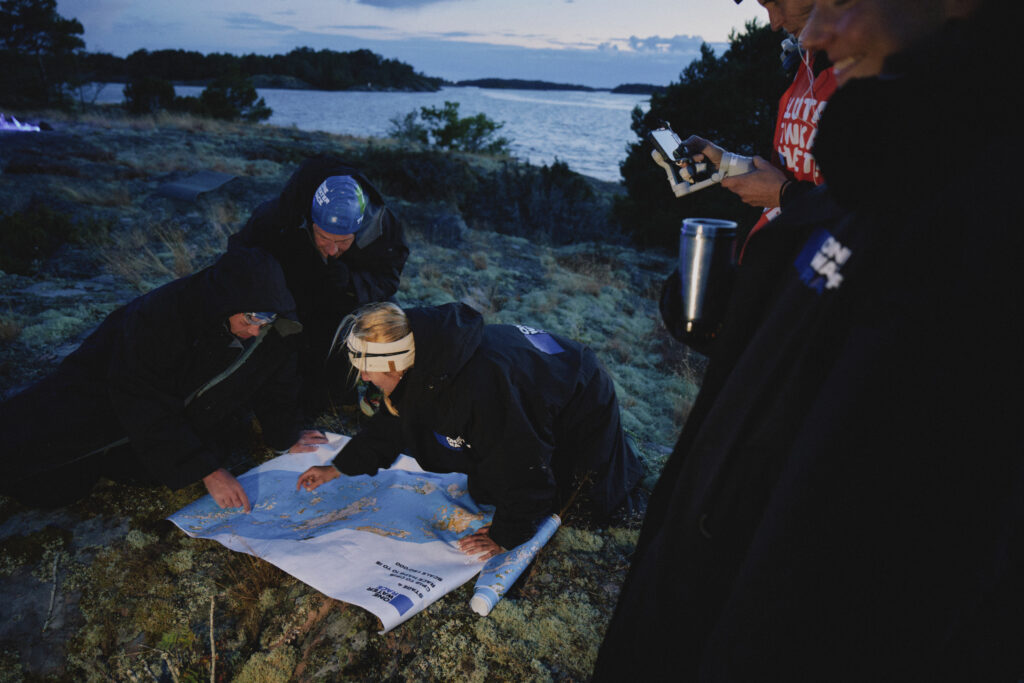
Within the first half-hour of the race, we would learn one of the first lessons: that the maps don’t always match exactly with reality.
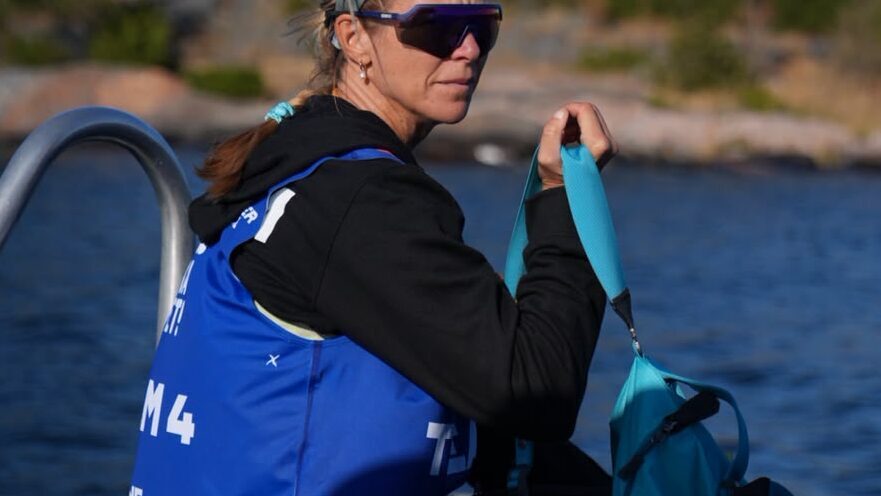
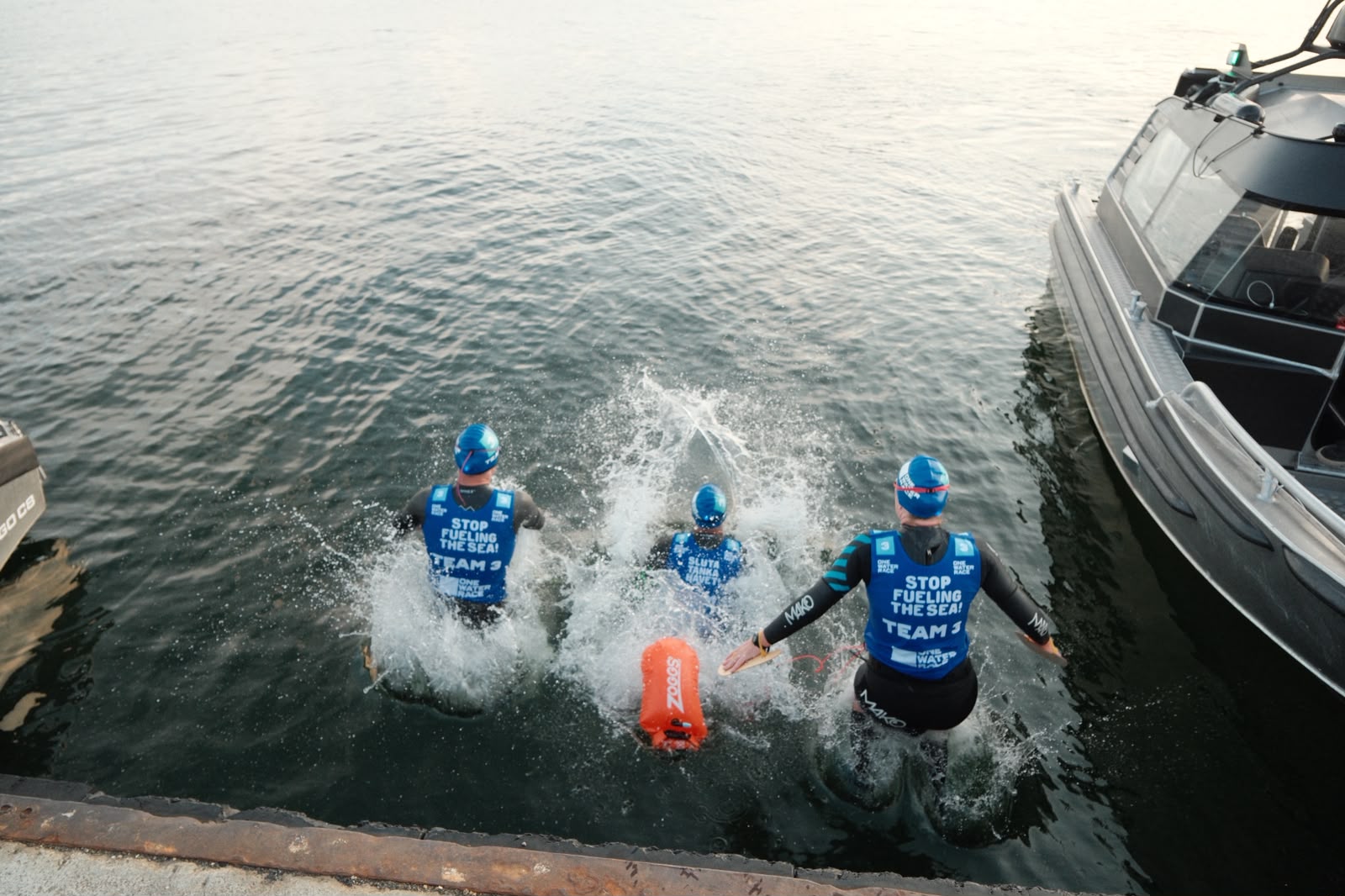
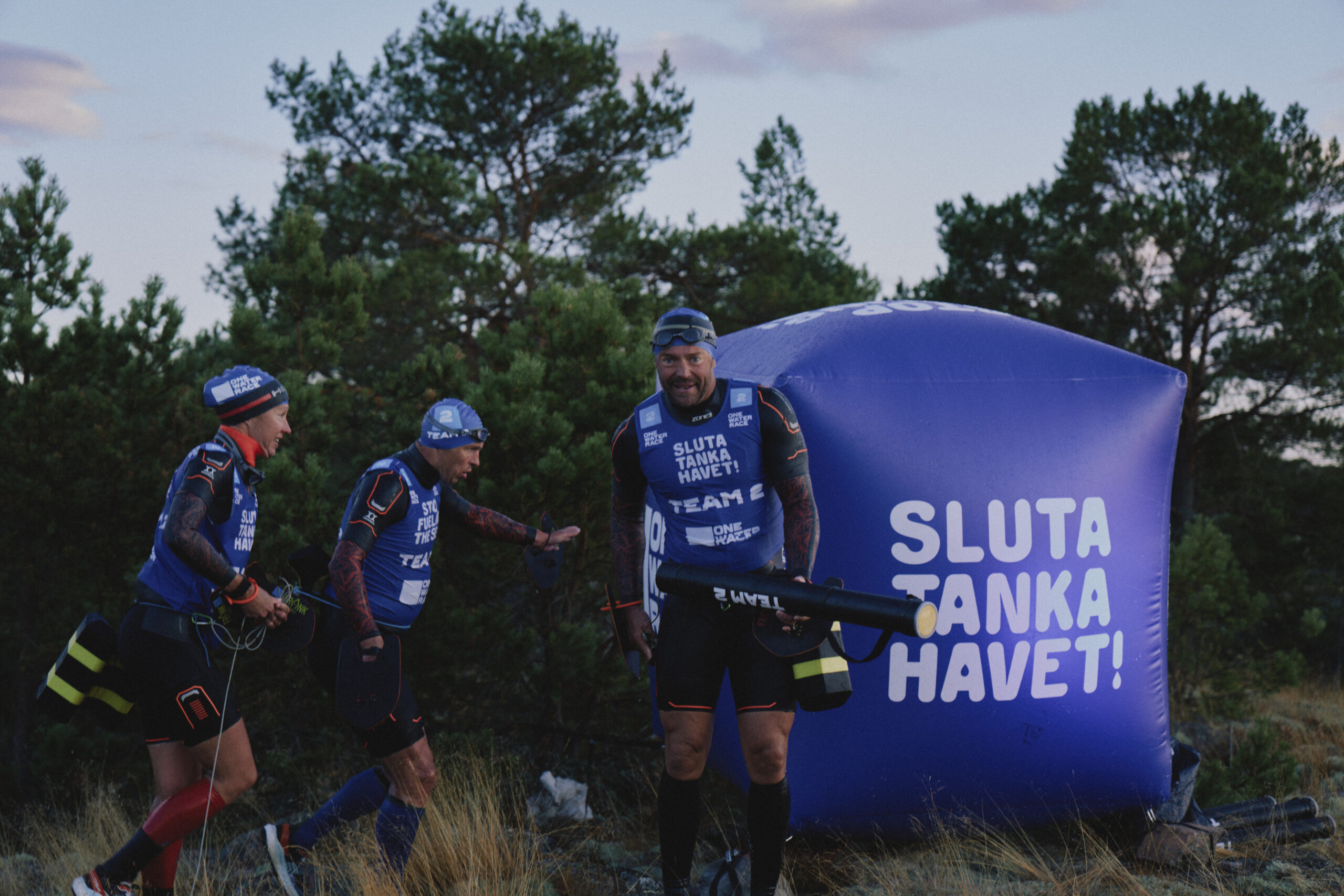
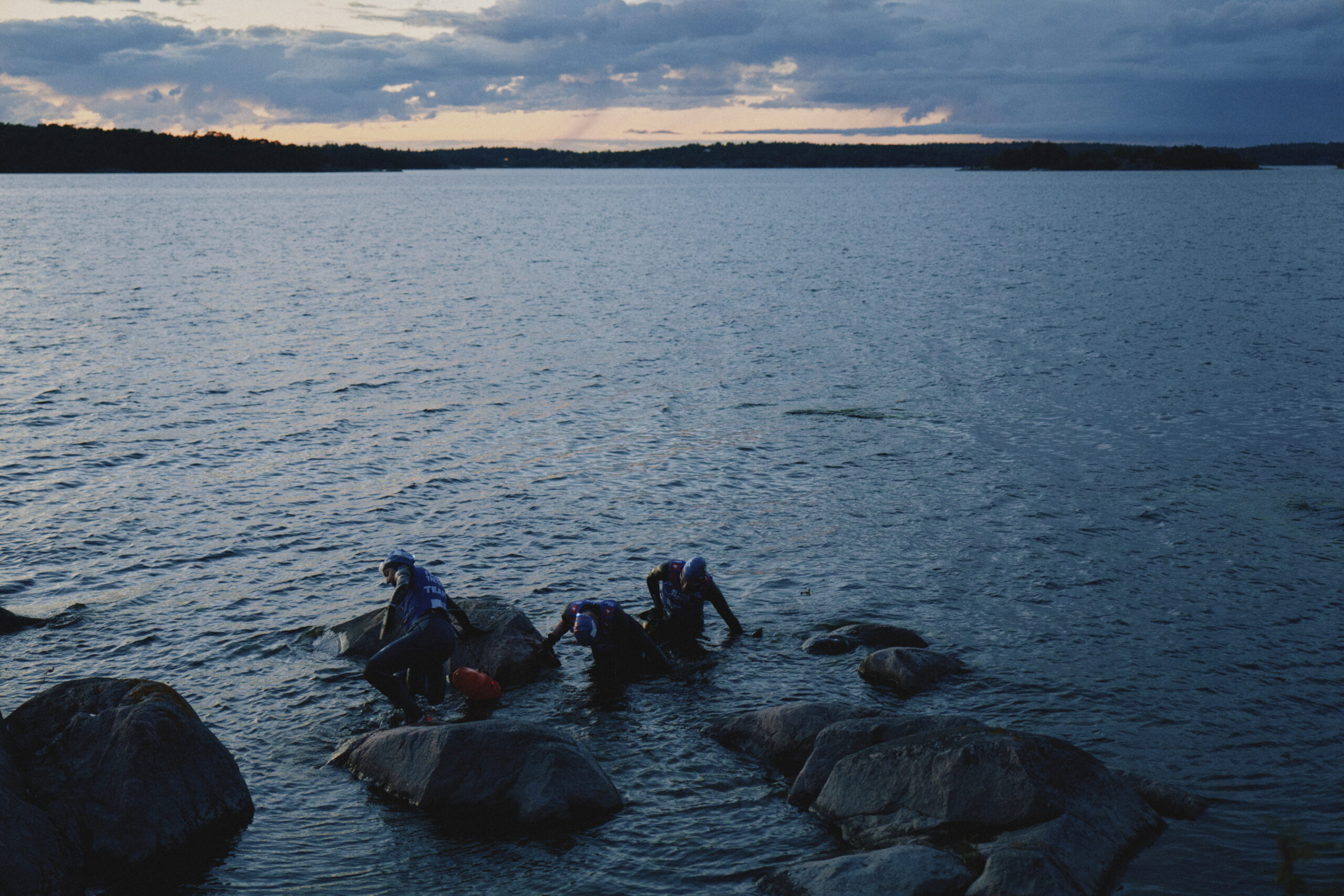
Within the first half-hour of the race, we would learn one of the first lessons: that the maps don’t always match exactly with reality. We ran well with the first teams during the start, but we planned a much earlier first swim because we thought there was a nice trail on the next island over. That turned out not to be the case, and we immediately lost 20 minutes and contact with the leading teams. We knew that there was a lot of racing left, so we did what we could to settle into our race and keep the pace as fast as we could to avoid losing more time. We made some small mistakes here and there, and in hindsight were a bit slower than necessary in the transitions, but all in all our spirits were high and we moved well through the first night. We felt like we were getting the hang of it.
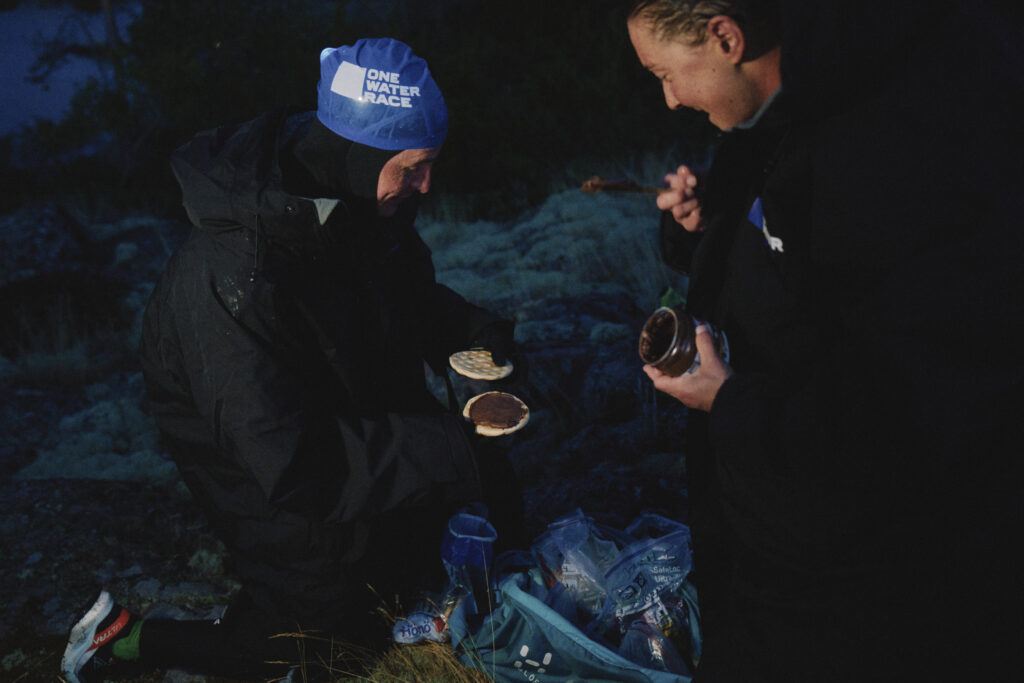
During the first night and the second day, we took turns having some issues – feeling cold, stomach issues, tiredness, etc. – which of course cost some time, but we were able to turn each issue around and all in all we felt very good. Coming into checkpoint 11, the last of stage 3, knowing that we were about halfway through the race and learning that we were four hours behind the leading team, we felt hope. We felt strong and like we could power through and, if not get all the way to the finish, at least we could get close before the eight-hour rule caught us.
However, as we got deeper into night two, instead of powering through, we started facing issues that were unknown territory for us.
However, as we got deeper into night two, instead of powering through, we started facing issues that were unknown territory for us. Mattias, perhaps due to lack of energy/nutrition, or because he had been using his brain a lot more than the rest of us, started to have trouble with navigation. As frustration set in, we decided to see if a 15-minute power nap would help us. Unfortunately, that didn’t help, and instead Mattias was now feeling cold and even lower on energy.
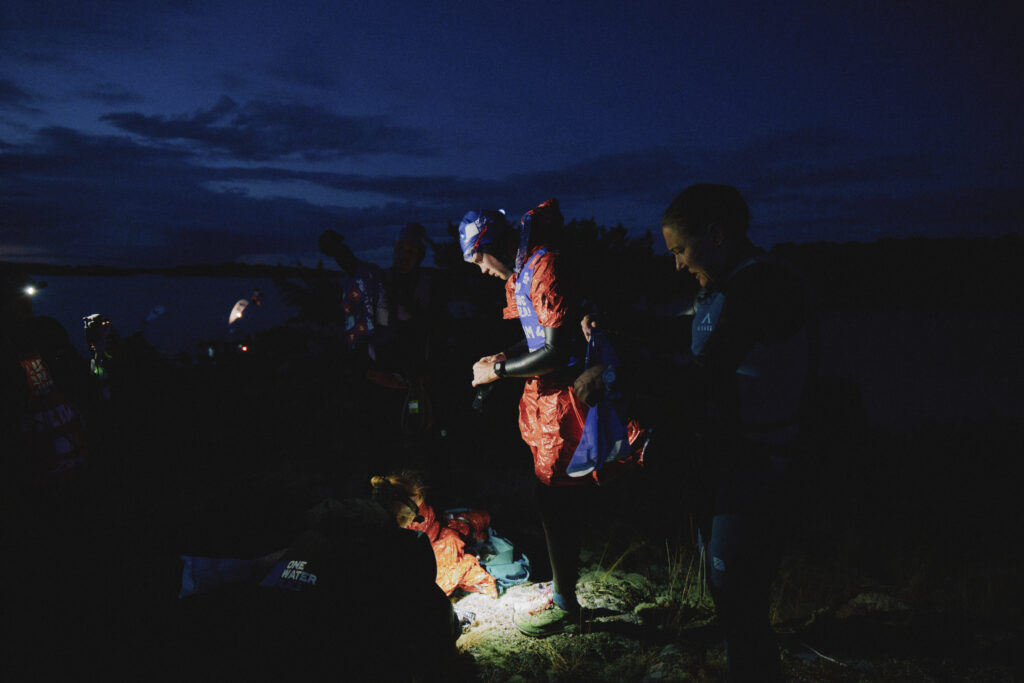
Hanna tried to focus on helping Mattias get warm and keep moving while Johan took over the map to see if he could figure out where we were. Thankfully, Johan succeeded and we were able to take a safe route back to meet Johanna where we were supposed to take our next swim.
However, when we met Johanna, we decided that we instead needed a stop for some warm food. Johanna jumped on land and started prepping food, but here somewhere we started losing focus. Johan was feeling a lot of pain in his shoulder and started doubting if it would be possible for him to swim much longer. We stopped communicating properly and went separately to eat, rest, etc., and when we convened again, we were all a bit confused about how much time had passed and felt like quitting was the only alternative.
We were all a bit confused about how much time had passed and felt like quitting was the only alternative.
In hindsight, this was far from reality, but there and then we were not prepared to communicate well enough to set up a proper plan for how we could solve our problems and keep moving.
So along with lots of little improvements to help us keep better pace, one of the biggest puzzle pieces that we need to bring in the future is a sleep-deprivation-proof plan for communication when everything starts falling apart!