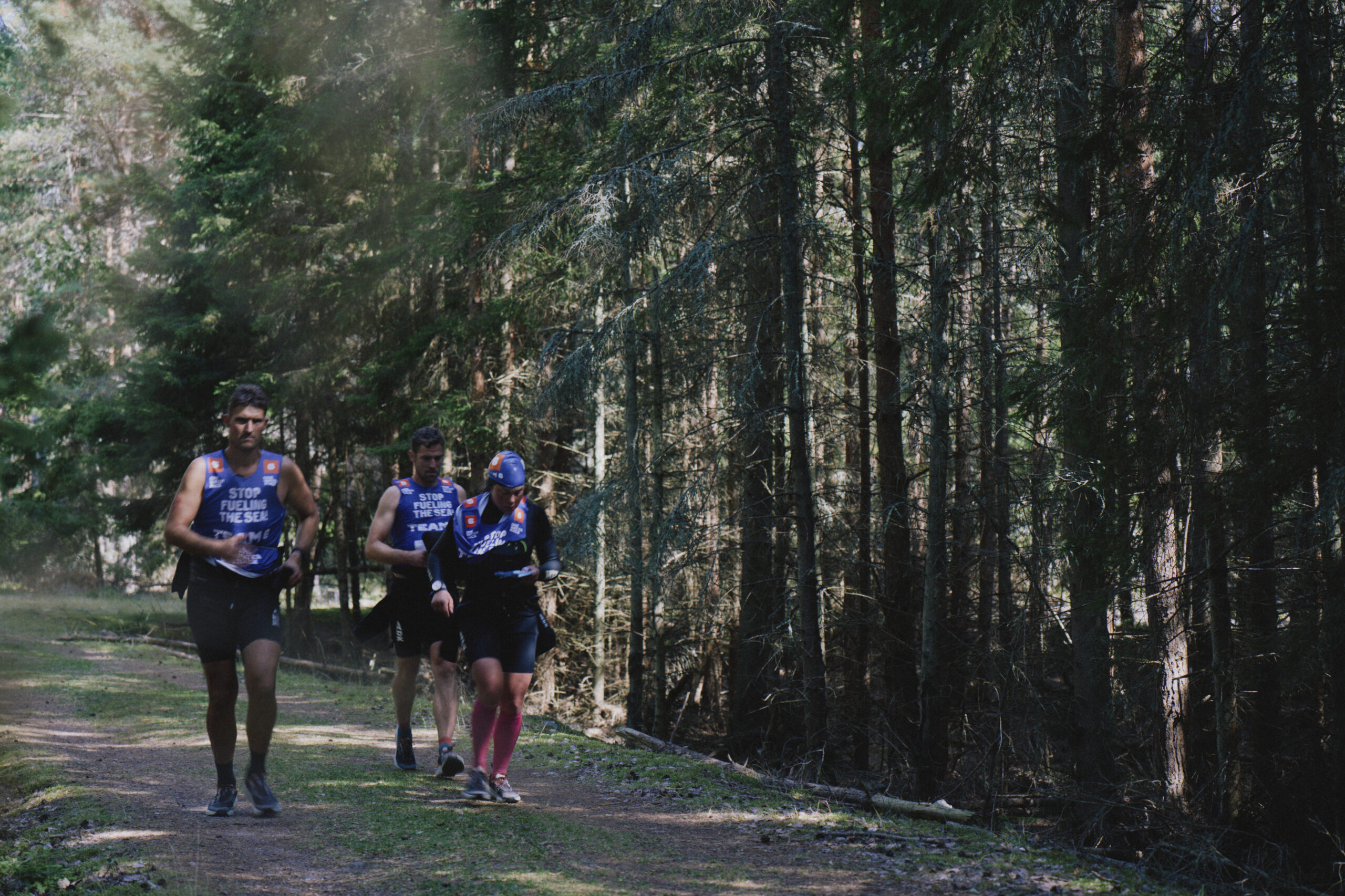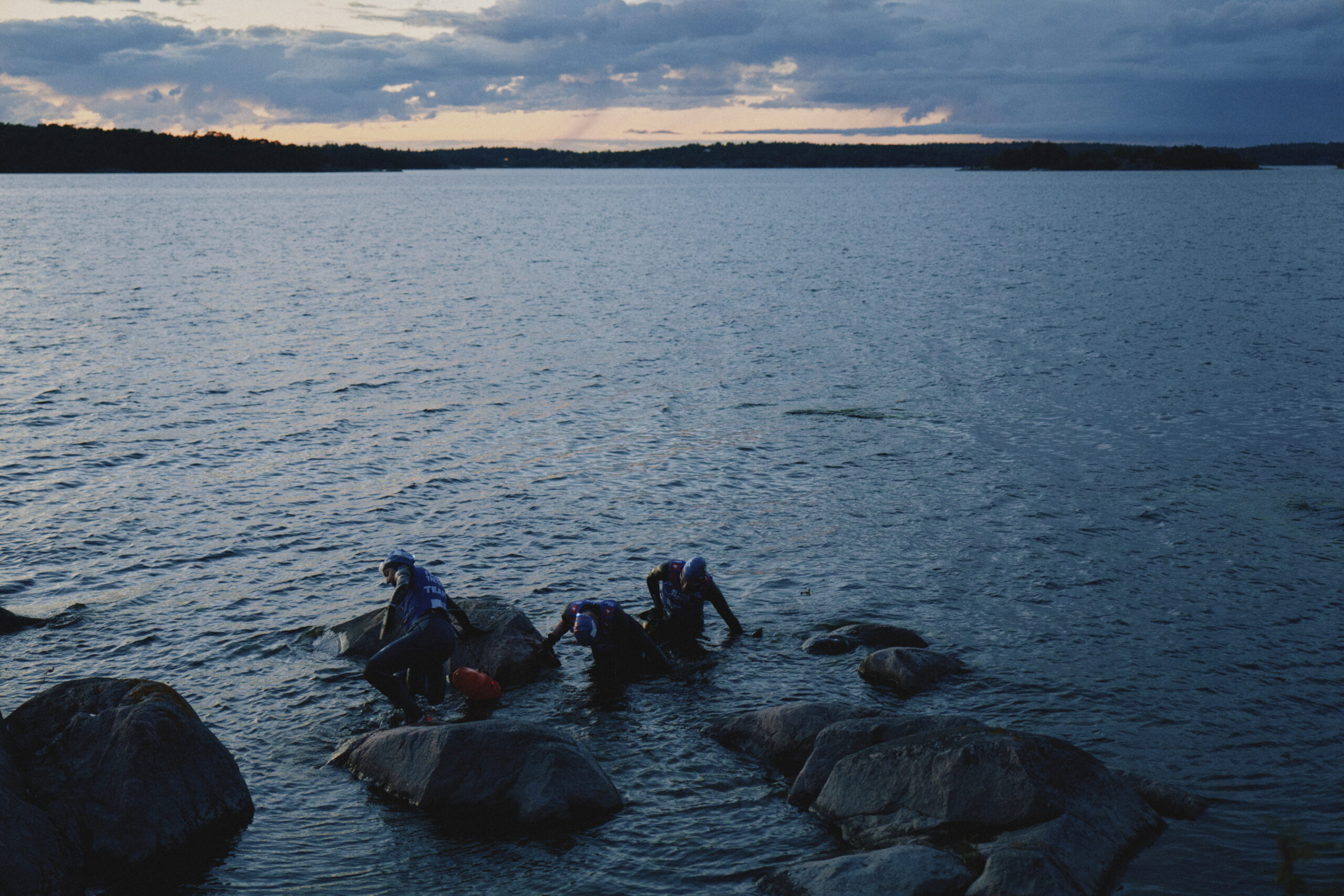

On August 17 at 4 PM, the fifth edition of One Water Race begins. 250 kilometres of swimming, running and navigation from Arholma to Landsort – nonstop through the Stockholm Archipelago. This year, a new start time changes the conditions, taking the teams into the darkness within the first hours of the race.
Five years of One Water Race
2026 marks the fifth edition of One Water Race – one of the world’s toughest endurance races. From the start on Arholma in the northern Stockholm Archipelago, the teams face approximately 250 kilometres of swimming and running before reaching the finish at Landsort in the south.
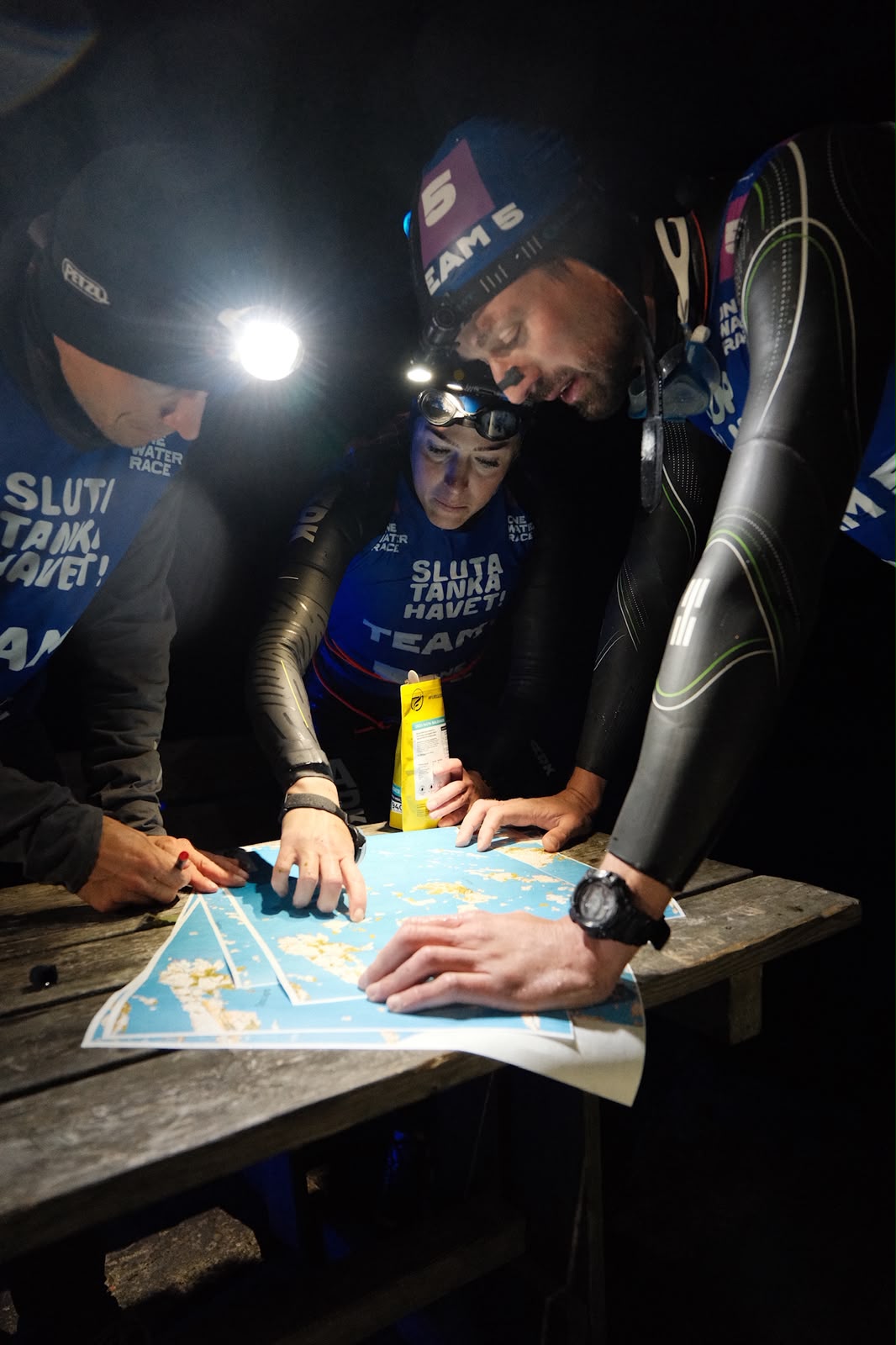
There is no marked course. Each team consists of four athletes who must navigate their own route between mandatory checkpoints, without GPS as a navigational aid. Route choices, sleep strategy, decision-making and the ability to keep functioning as a team can ultimately determine who makes it to Landsort first.
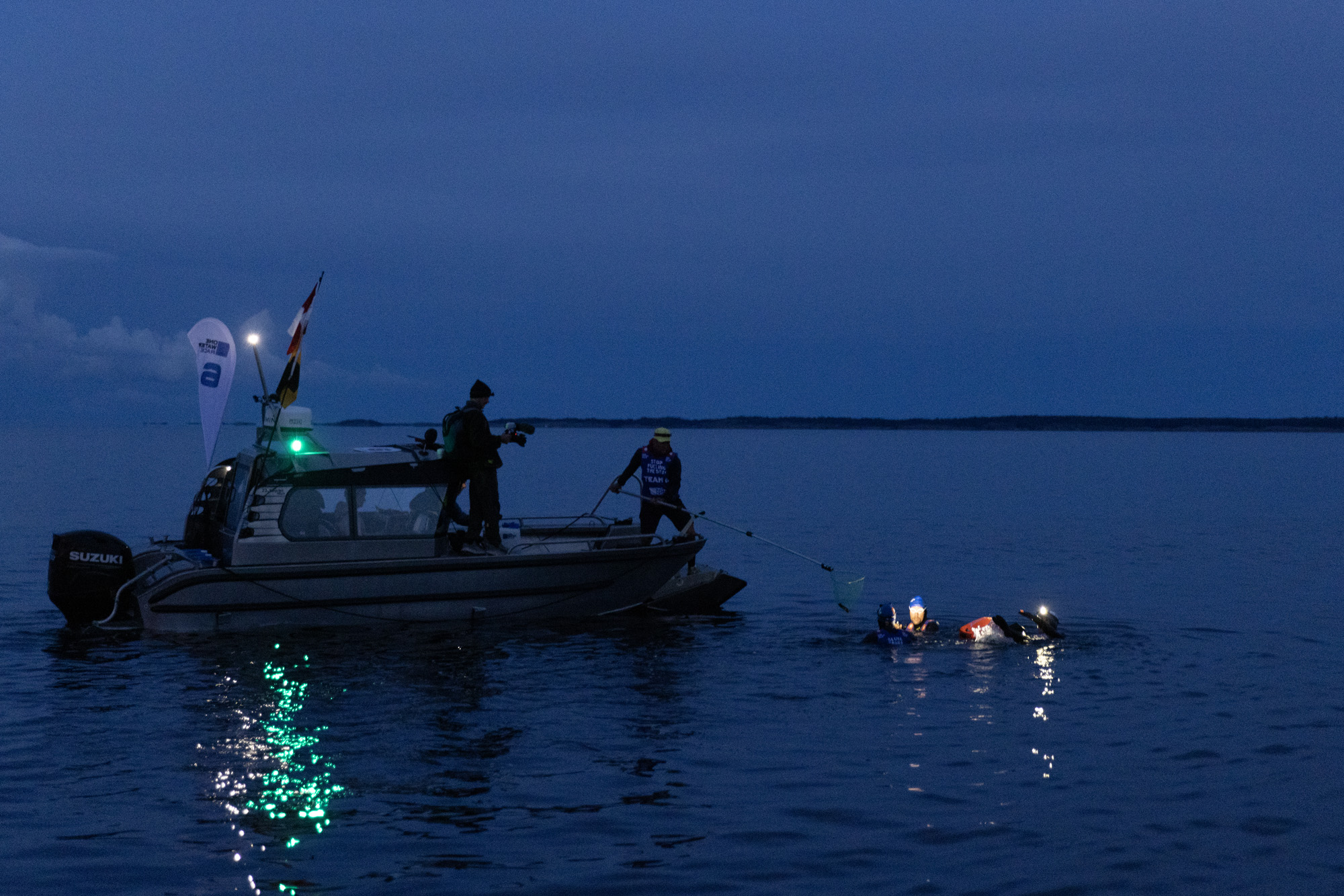
For the first time, the race will start at 4 PM on Monday, August 17, rather than in the morning. This means the teams will face the August darkness much earlier in the race, bringing night navigation into play from the very first stage.
The winning team is expected to reach Landsort at around 4 PM on Wednesday, August 19 – approximately 48 hours after the start.
“One Water Race is about so much more than physical capacity. The teams need to make the right decisions when they are cold, tired and under pressure, while navigating through the archipelago around the clock. With this year’s later start, darkness comes much earlier in the race, making the challenge even greater,” says Thomas Ogander, founder and Race Director of One Water Race.
“One Water Race is about so much more than physical capacity.
Watch the race live
The entire One Water Race can be followed live. In Sweden, the race will be broadcast on TV4 Play. International viewers can follow the livestream via the One Water Race website and YouTube channel.
From aboard Briggen Tre Kronor in the Stockholm Archipelago, sports journalist Jonas Karlsson will guide viewers through the race, following the teams’ positions, route choices and progress. From open-water swims and long runs across the islands to night navigation, changing weather, exhaustion and critical strategic decisions, the livestream takes viewers inside the race as it unfolds.
“One Water Race is a unique race with so many different dimensions. It is about endurance, navigation, teamwork and the ability to make decisions under extreme pressure. There is so much to follow, discuss and analyse over these days,” says Jonas Karlsson.
What makes some keep going when others are forced to stop?
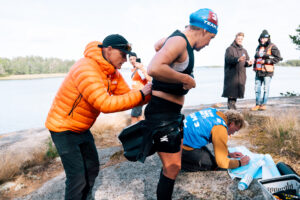
Alongside the race, One Water Race continues its research collaboration with the Swedish School of Sport and Health Sciences (GIH).
Following previous studies of the athletes’ physiological responses to extreme endurance, this year’s research shifts its focus towards the mind: What makes some people able to keep going when others cannot?
Throughout One Water Race, the athletes face prolonged physical and mental stress, sleep deprivation, cold and a constant need to make decisions and work together as a team.
Researchers will study the psychological factors that influence the ability to continue performing under these extreme conditions, as well as how individuals and teams function when pushed towards their limits. One Water Race provides a unique real-world environment in which to study human performance, where physical capacity, mental resilience, decision-making and teamwork are all put to the test simultaneously.
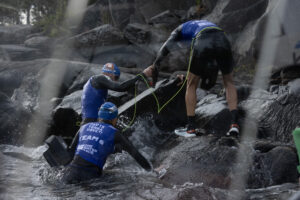
A race with the ocean at its heart
For five editions, the Stockholm Archipelago has been more than the arena for One Water Race – it is at the heart of why the race exists.
One Water Race was created not only as an extreme sporting challenge, but also to draw attention to the importance of our oceans and the impact of climate change and human activity on marine environments.
Alongside the race, the Stop Fueling the Sea initiative continues to raise awareness of how fuel choices and responsible fuel handling can reduce the impact on oceans and aquatic environments.
One Water Race 2026 – Key facts
- Race start: Monday, August 17 at 4 PM
- Start: Arholma
- Finish: Landsort
- Distance: Approximately 250 km
- Disciplines: Swimming, running and navigation
- Format: Nonstop, day and night
- Teams: Four athletes per team
- Navigation: Teams choose their own route between mandatory checkpoints without GPS as a navigational aid
- Expected winning time: Approximately 48 hours
- Expected first finish: Wednesday, August 19 at around 4 PM
- Research: Conducted in collaboration with GIH, with a 2026 focus on sports psychology and mental performance
- Watch in Sweden: TV4 Play
- Watch internationally: One Water Race website and YouTube
Follow One Water Race 2026
The race starts Monday, August 17 at 4 PM.
Follow the teams throughout the race via the live broadcast, and get updates, highlights and behind-the-scenes coverage through One Water Race on Instagram, YouTube, TikTok and the One Water Race WhatsApp Channel.